
 ₹https://showrooms.obenelectric.com/electric-bikes/bikaner/jaisalmer-road/oben-electric-bike-showroom-in-jaisalmer-road-bikaner--6gbSrP/articles/battery-swapping-vs-fast-charging-the-future-of-ev--fde475bd-4f84-4032-9697-fa5a0d070d89
Oben Electric Bike Showroom, Jaisalmer Road, bikaner
Electric Bikes Showrooms in Jaisalmer Road, Bikaner, Rajasthan
Ground Floor, Vishwakarma Colony, Nal Road, Opposite Saran Petrol Pump, Jaisalmer Road, bikaner, rajasthan - 334001
Book Now
Oben Electric Bike Showroom Social Feeds in Jaisalmer Road, bikaner
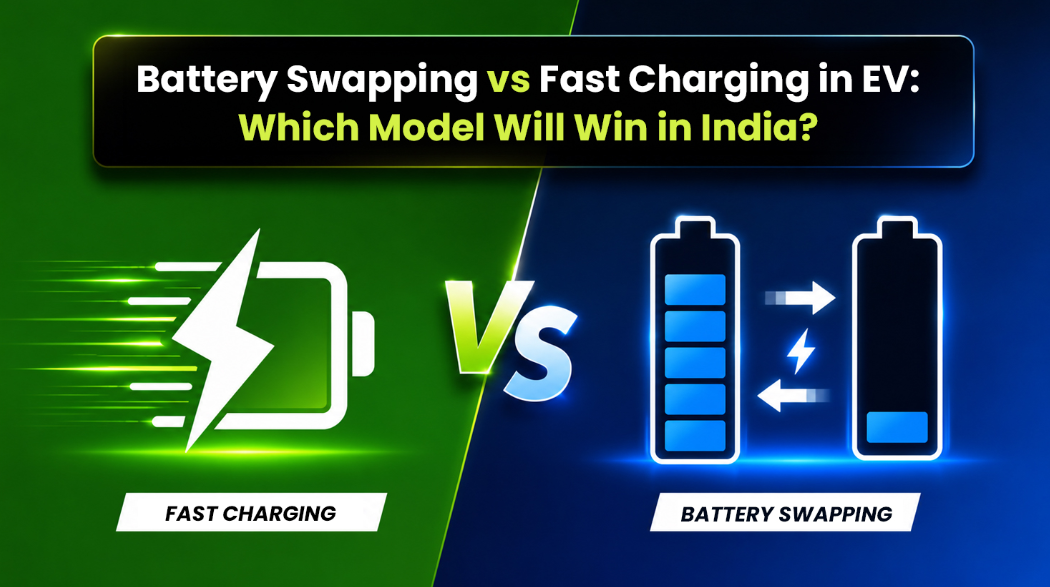
Battery Swapping vs Fast Charging: The Future of EV Charging in India
Choosing an electric bike involves more than comparing range, performance, and price. Riders also need to consider how they will recharge their vehicle and how easily charging fits into their daily routine. This makes battery swapping vs fast charging in EVs an important discussion as electric mobility continues to grow in India.
Fast charging allows riders to recharge a compatible battery without removing it from the vehicle. Battery swapping takes a different approach by allowing riders to exchange a depleted battery for a charged one at a dedicated station. Both methods aim to reduce downtime, but their suitability depends on charging access, riding patterns, and infrastructure availability.
For daily commuters travelling to work, college, or nearby destinations, charging convenience can influence the overall ownership experience. Understanding how these two technologies work can help riders make a more informed decision.
The Growing Demand for Efficient EV Charging Infrastructure in India
As more people consider electric two-wheelers, EV charging infrastructure in India is becoming an important part of the transition to electric mobility. Access to convenient charging options can help riders plan daily journeys and understand whether an electric bike suits their travel needs.
Petrol stations offer a familiar refuelling experience. Electric two-wheelers, however, can often be charged at home or at other suitable charging locations, depending on the vehicle and available facilities. Public charging networks can provide additional options for riders who need to charge away from home.
Several factors are shaping the development of India's EV charging ecosystem:
Convenient daily charging: Home and workplace charging can help riders recharge their vehicles around their regular schedules.
Public charging access: Public charging stations can provide additional options for commuters and riders travelling beyond their usual routes.
Charging technology: Different chargers offer different charging speeds, making it important to check vehicle and charger compatibility.
Infrastructure expansion: Wider charging access can help make electric two-wheelers more practical for different types of riders.
Oben Electric offers charging solutions designed for its electric motorcycles, including Oben Plug and Oben Port. The suitability and charging time of each solution depend on the compatible model and its specifications.
For riders comparing electric bikes, charging access should be considered alongside battery capacity, claimed range, riding conditions, and everyday travel requirements.
Why EV Charging Infrastructure Matters
A reliable charging plan can make electric two-wheeler ownership easier to manage. Before choosing a vehicle, riders should consider where they can charge it, how far they travel each day, and whether they need access to public charging points.
Here is why charging infrastructure matters for India's electric mobility transition.
Reduces Range Anxiety
Range anxiety refers to the concern that a vehicle may run out of battery before reaching a charging point or destination. Access to suitable charging options and an understanding of the vehicle's real-world range can help riders plan journeys more confidently.
For example, the Oben Rorr Evo has a claimed IDC range of 180 km. Actual range can vary depending on riding conditions, speed, load, and other factors. Riders should consider their regular travel distance rather than relying on a claimed figure alone.
Supports Everyday Commuting
Many electric two-wheeler journeys involve regular trips to work, college, markets, or other nearby destinations. For these riders, charging at home or another convenient location may fit naturally into their routine.
The right charging arrangement depends on parking access, available electrical facilities, the vehicle's charging requirements, and the time a rider can allow for charging.
Encourages Wider EV Adoption
Convenient charging options can make electric mobility easier to consider. As charging infrastructure develops, riders can compare the available options and select a vehicle that suits their travel needs.
However, charging availability varies by location. Riders should check the current availability of compatible charging facilities along their regular routes before planning longer journeys.
What Is Fast Charging in Electric Vehicles?
Fast charging in electric vehicles reduces the time needed to recharge a compatible battery compared with slower charging methods. The actual charging time depends on the battery, charger, starting charge level, and vehicle specifications.
Oben Electric offers Oben Plug as a fast-charging solution for compatible electric motorcycles. The Oben Rorr Evo can charge from 0% to 80% in under 90 minutes under the specified conditions.
Charging time should not be assumed to be identical across all electric bikes. Riders should check the specifications of their particular model and use only compatible charging equipment.
Advantages of Fast Charging in EVs
Fast charging can offer several practical benefits for riders.
1. Reduces Charging Time
A compatible fast charger can reduce the time required to recharge a battery compared with a slower charging option. This can be useful for riders who need to recharge between journeys or have limited time available.
2. Keeps the Battery in the Vehicle
Unlike battery swapping, fast charging does not require the rider to remove and replace the battery. The vehicle remains paired with its own battery throughout the charging process.
3. Can Fit Into Existing Routines
Depending on the charging time and available facilities, riders may be able to charge while taking a break or attending to another activity. The practical benefit depends on the charger's location and the time required for the vehicle to reach the desired charge level.
4. Supports Personal Vehicle Ownership
Riders who own their electric bike and battery can follow the manufacturer's charging recommendations and monitor their vehicle's battery information where supported.
Fast charging is therefore a useful option for riders whose vehicles support it and who have access to compatible charging facilities.
What Is Battery Swapping Technology?
Battery swapping is an alternative to conventional charging. Instead of waiting for a depleted battery to recharge, a rider visits a compatible swapping station and exchanges the depleted battery for a charged one.
The process can reduce vehicle downtime, but it depends on the availability of a suitable station, compatible batteries, and the service arrangements offered by the provider.
How Does Battery Swapping Work?
The process generally involves these steps:
The rider arrives at a battery-swapping station with a compatible electric vehicle.
The depleted battery is removed according to the station's procedure.
The rider receives a compatible charged battery.
The replacement battery is installed and checked before the rider continues the journey.
The exact process depends on the vehicle design and swapping provider. Not every electric two-wheeler supports battery swapping, and batteries from different manufacturers are not necessarily interchangeable.
Benefits of Battery Swapping
1. Shorter Vehicle Downtime
When a compatible charged battery is available, swapping can allow riders to resume their journey without waiting for a full charging session.
2. Potentially Lower Initial Vehicle Cost
Some business models separate the battery cost from the vehicle purchase price. This may reduce the initial amount a customer pays for the vehicle, although subscription fees, swapping charges, and other terms must be considered.
3. Useful for Certain Fleet Operations
Businesses operating electric vehicles intensively may benefit from reduced downtime when suitable swapping stations are conveniently located. The overall benefit depends on the fleet's travel patterns, operating costs, and access to compatible batteries.
Challenges of Battery Swapping in India
Battery swapping can be useful in the right circumstances, but several practical considerations affect its suitability for personal electric two-wheelers.
1. Infrastructure and Operating Costs
A swapping network needs charged batteries, battery storage, charging equipment, suitable premises, and processes for managing battery condition and availability. These requirements can increase operating complexity.
Whether swapping is economically viable depends on station utilisation, battery costs, local demand, and the provider's business model.
2. Battery Compatibility Across Brands
Battery swapping requires compatibility between the vehicle and the replacement battery. Differences in battery dimensions, connectors, electrical systems, and software can prevent batteries from being used interchangeably.
This means riders must check whether their particular vehicle is supported by the swapping network they intend to use.
3. Availability of Swapping Stations
Swapping is most convenient when a compatible station is close to a rider's regular routes. Where station coverage is limited, riders may need to travel farther to exchange a battery.
Before choosing a swapping-based vehicle, customers should check the network's current coverage and operating arrangements in their area.
4. Battery Condition and Management
Battery condition is an important consideration in any electric vehicle. A swapping service needs processes to monitor battery health, charging, maintenance, and safe handling.
Riders should review how the provider manages battery condition and what support is available if a replacement battery does not perform as expected.
These factors do not make battery swapping unsuitable in every situation. They highlight why its practicality depends on the quality and availability of the supporting network.
Fast Charging vs Battery Swapping: Key Differences
Fast charging and battery swapping aim to reduce the inconvenience associated with recharging electric vehicles, but they work differently.
Charging time: Fast charging requires a charging session, with the duration depending on the battery and charger. Battery swapping can reduce the exchange time when a compatible charged battery is immediately available.
Battery ownership and control: With a conventional personally owned battery, riders continue using the same battery. Under a swapping arrangement, the rider receives a replacement battery according to the provider's terms.
Infrastructure requirements: Fast charging requires compatible charging equipment and suitable electrical facilities. Battery swapping requires stations that maintain an inventory of compatible batteries and provide exchange services.
Availability: Fast charging depends on access to a compatible charger. Battery swapping depends on access to a station that supports the vehicle and has a charged battery available.
Costs: Charging costs depend on factors such as electricity tariffs, charger use, and charging arrangements. Swapping costs depend on the provider's pricing, subscriptions, and service terms. Neither model is automatically cheaper in every situation.
Vehicle compatibility: Riders must use charging equipment approved for their vehicle. Battery swapping requires additional compatibility between the vehicle, battery, and swapping system.
The better option depends on the rider's daily distance, charging access, budget, and local infrastructure.
Which Model Fits the Indian EV Ecosystem Better?
There is no single charging model that suits every electric two-wheeler user. Fast charging and battery swapping serve different needs, and their practicality depends on how people use their vehicles.
When Fast Charging May Be a Better Fit
Fast charging may suit riders who:
Travel regular daily distances: Riders with predictable commuting patterns may be able to plan charging around their routine.
Have access to charging facilities: Home, workplace, or public charging access can make fast charging more convenient.
Prefer to use their own battery: Riders who want to retain the same battery can choose a compatible charging arrangement.
Need flexibility for occasional longer journeys: Access to suitable charging points can help riders plan longer trips, provided they confirm the route and charging requirements in advance.
Oben Electric's charging options include Oben Plug for compatible fast charging and Oben Port for standard charging. Charging times and installation requirements depend on the particular motorcycle and charging solution.
When Battery Swapping May Be a Better Fit
Battery swapping may suit riders who:
Need to minimise downtime: This can be important for vehicles used continuously throughout the day.
Travel high daily distances: Frequent-use riders may benefit when swapping is faster and more convenient than waiting for charging.
Have access to a suitable swapping network: A well-located station with compatible batteries is essential.
Prefer a battery service arrangement: Some riders may prefer a provider-managed battery model, depending on the terms and costs involved.
Battery swapping is not automatically more convenient for every high-mileage rider. Its value depends on station availability, compatibility, pricing, and service reliability.
What Should Riders Consider Before Choosing?
Before choosing an electric bike or a charging model, riders should evaluate:
Their average daily distance and occasional longer trips.
Access to safe and suitable charging facilities.
The vehicle's claimed range and expected real-world performance.
Charging time and compatible charger specifications.
Availability of public chargers or battery-swapping stations along regular routes.
Battery warranty, maintenance arrangements, and overall ownership costs.
These checks can help riders select a charging arrangement that suits their daily needs instead of relying on broad claims about which technology is better.
Conclusion: What Is the Future of EV Charging in India?
Both fast charging and battery swapping have a role in India's electric mobility ecosystem. Fast charging can suit personal electric two-wheeler owners who have access to compatible charging facilities, while battery swapping can be useful in locations where a reliable network supports the vehicle.
The future of EV charging will depend on infrastructure development, battery technology, compatibility, operating costs, and the needs of different types of riders. Rather than assuming one model will replace the other, customers should evaluate which option fits their regular journeys and local charging access.
Oben Electric offers charging solutions for compatible electric motorcycles, including Oben Plug and Oben Port. Riders considering an Oben electric bike should check the model's specifications, charging requirements, and available facilities before making a decision.
If you are comparing electric bikes for daily commuting, explore the available Oben Electric models and review their range, charging options, and features to find a suitable option for your needs in Jaisalmer Road, Bikaner.
Frequently Asked Questions
1. Is fast charging safe for electric bikes in India?
Fast charging can be safe when the vehicle and charger are designed to work together and the manufacturer's instructions are followed. Riders should use compatible charging equipment and follow the recommended charging and maintenance practices for their electric bike.
2. Is fast charging cheaper than battery swapping?
The cost depends on electricity tariffs, charging arrangements, swapping fees, subscriptions, and battery-related costs. Home charging may be economical for some riders, while a swapping service may suit others who value reduced downtime. Comparing the total cost under actual usage conditions is the best way to assess affordability.
3. Does frequent fast charging affect electric bike battery life?
Battery ageing depends on several factors, including charging practices, temperature, usage, and battery management. Riders should follow the manufacturer's recommendations and use compatible charging equipment to help maintain battery performance over time.
4. What affects the charging time of an electric bike?
Charging time depends on battery capacity, the charger's output, the battery's current charge level, temperature, and the vehicle's charging system. For example, the Oben Rorr Evo supports charging from 0% to 80% in under 90 minutes with the compatible Oben Plug under specified conditions.
5. Can every electric bike use a battery-swapping station?
No. A battery-swapping station can serve only vehicles and batteries that meet its compatibility requirements. Riders should confirm that their electric bike is supported by the station's network before relying on battery swapping.
Explore Oben Electric motorcycles and charging options: https://obenelectric.com/